પસંદ કરેલી કૃતિ · selected work
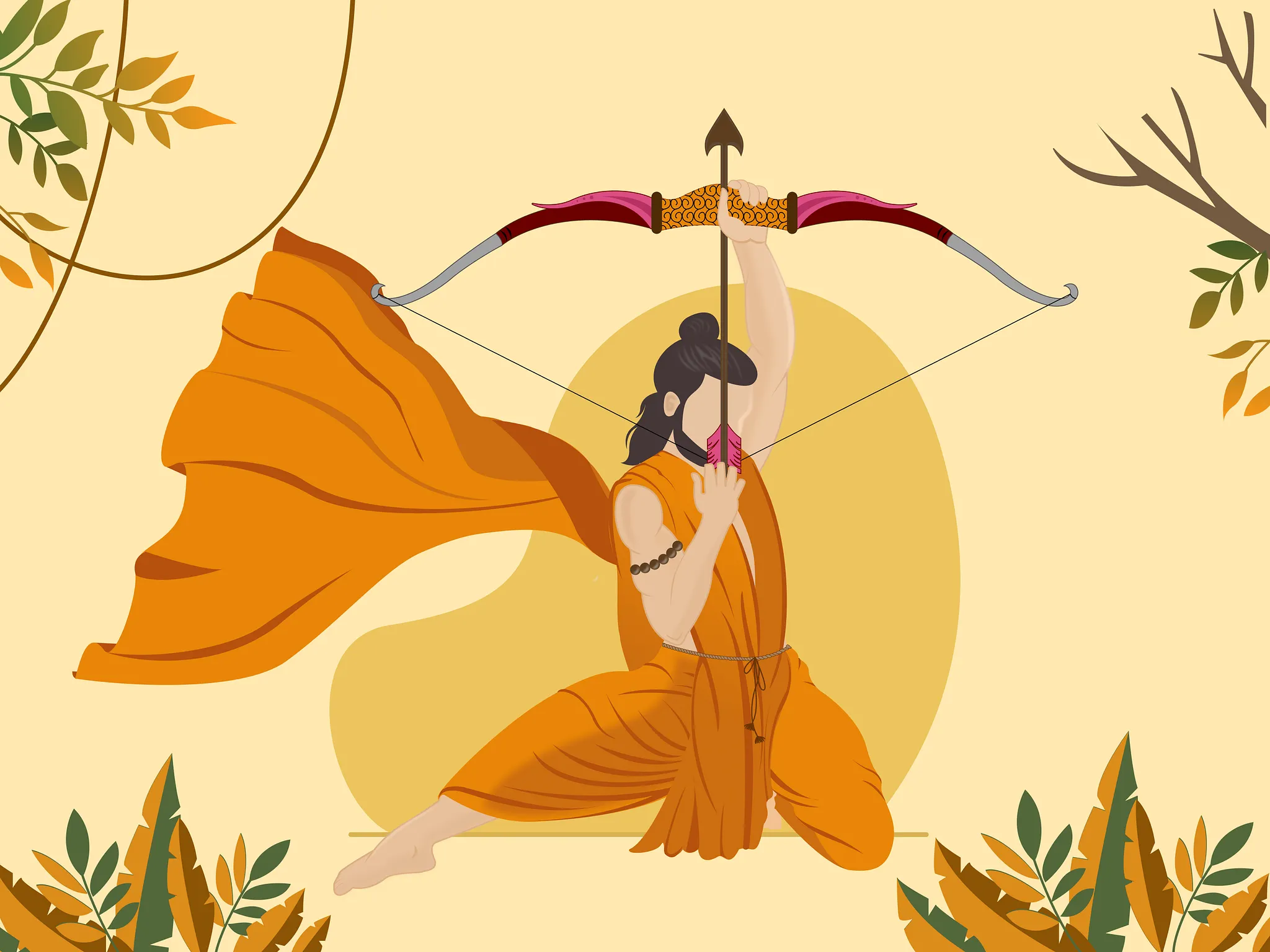
પાર્થને કહો ચડાવે બાણ
Tell Parth to Draw His Arrow
Nanalal Dalpatram Kavi, Mahakavi · c. 1920
પાર્થને કહો ચડાવે બાણ
હવે તો યુદ્ધ એ જ કલ્યાણ
કહો, કુંતાની છે એ આણ
પાર્થને કહો ચડાવે બાણ
ભીખ્યાં, ભટક્યાં, વિષ્ટિ, વિનવણી
કીધાં સુજનનાં કર્મ
આર્યસુજનતા દૈન્ય ગણી તો
યુદ્ધ એ જ યુગધર્મ
સજીવન થાય પડ્યાયે પ્હાણ
પાર્થને કહો ચડાવે બાણ
દ્રૌપદીની હજી વેણ છૂટી છે
રાજસભાના બોલ
રણનોતરાંના ઉત્તર દેજો
રણધીરને રણઢોલ
પાર્થની પ્રત્યંચાને વાણ
પાર્થને કહો ચડાવે બાણ
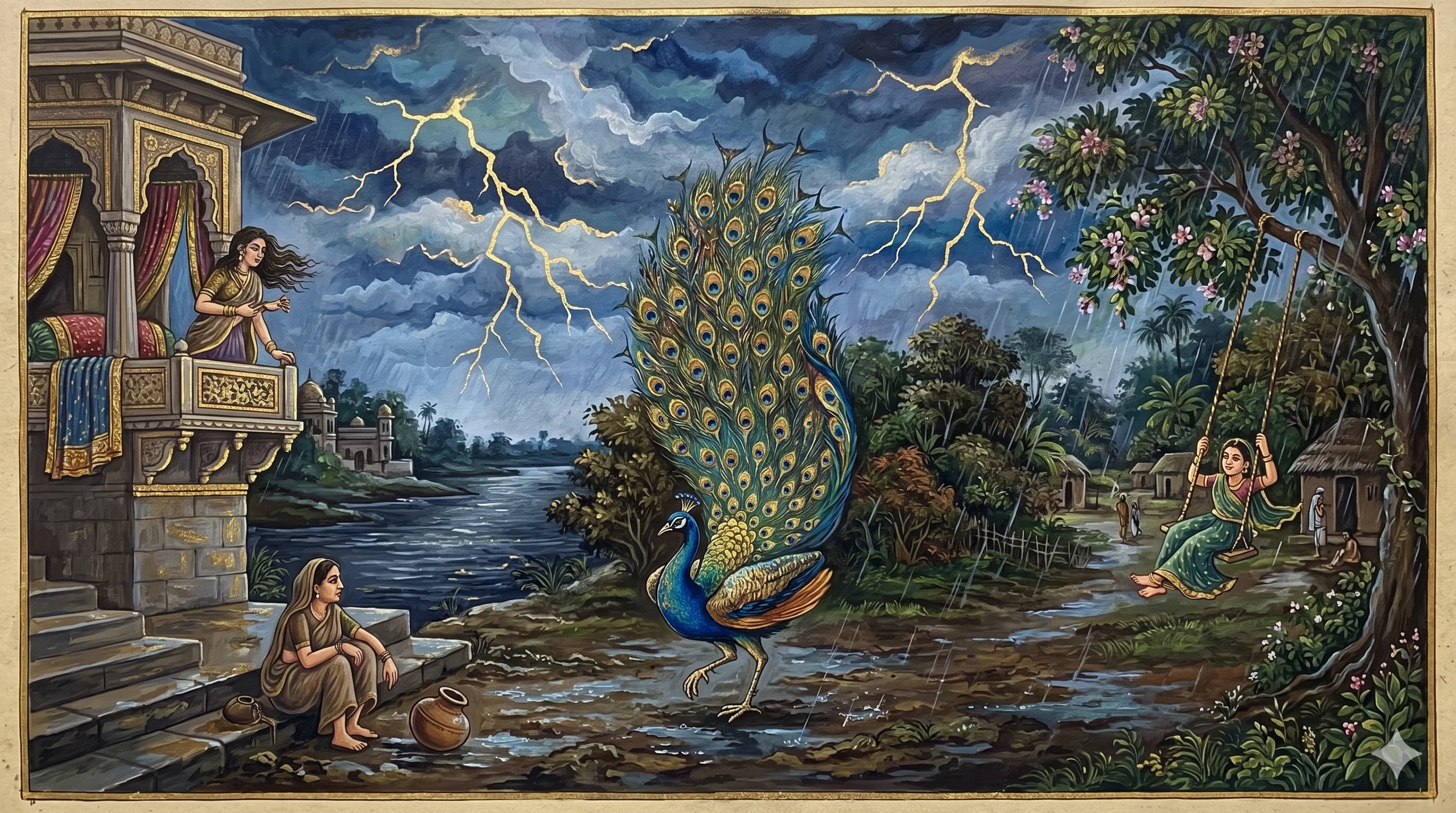
મેહુલો બોલે, વાયુ હુંકારે
ત્યમ તલપો સિંહબાળ
યુગપલટાના પદ પડછન્દે
ગજવો ઘોર ત્રિકાળ
સજો શિર વીર ! હવે શિરત્રાણ
પાર્થને કહો ચડાવે બાણ
નૃલોક જોશે, કાળ નીરખશે
રણરમતો મુજ વંશ
સત શીલ ને ધર્મયજ્ઞમાં
હજો વિશ્વવિધ્વંસ
ઊગે જો ! નભ નવયુગનો ભાણ
પાર્થને કહો ચડાવે બાણ
વિધિનાં એ જ મહાનિર્માણ
પાર્થને કહો ચડાવે બાણ
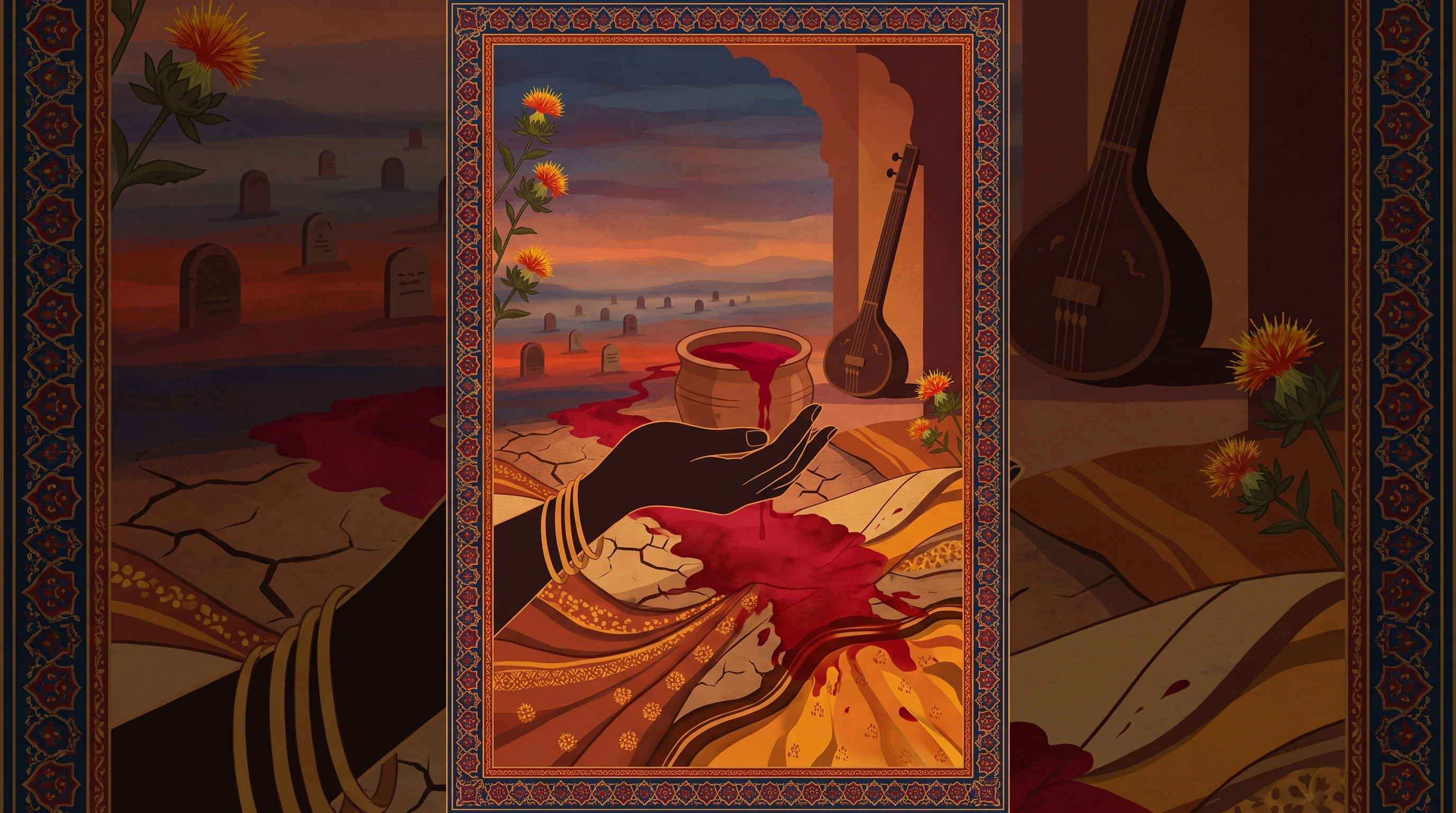
Composed in the early twentieth century, this poem draws from the heart of the Mahabharata — the moment of agonizing stillness before the storm of Kurukshetra. Nanalal addresses Parth (Arjuna) not merely as a mythological warrior, but as the conscience of a nation on the verge of awakening. Every stanza builds in urgency: first the reasoned argument that all peaceful means have been exhausted, then the invocation of Draupadi's unresolved humiliation, and finally the cosmic imperative that even the winds and rains demand action.
The genius of the poem lies in its dual register. On the surface, it retells a moment from ancient epic. Beneath, it speaks directly to the India of the 1920s and 30s — a people who had petitioned, pleaded, and negotiated with colonial power, and were now being urged toward a more assertive path. The refrain 'પાર્થને કહો ચડાવે બાણ' carried through the independence movement as a rallying cry, its power drawn from its mythological weight.
Nanalal's prosody is deliberately muscular. The short, percussive lines mirror the stringing of a bow, each stanza pulling tighter until the final couplet — 'વિધિનાં એ જ મહાનિર્માણ' (This is destiny's own grand design) — releases like an arrow into silence. The poem stands as one of the masterworks of the Pandit Yug (Scholar's Age) of Gujarati literature, when poetry was both art and activism.
નાનાલાલ દલપતરામ કવિ
Nanalal Dalpatram Kavi, bestowed the title *Mahakavi* (Great Poet), was one of the towering figures of Gujarati literature. Son of the celebrated poet Dalpatram, he inherited a lyrical tradition and transformed it — bringing romanticism, nationalism, and philosophical depth to Gujarati verse. A contemporary and friend of Mahatma Gandhi, his poetry bridged the scholarly tradition of the *Pandit Yug* with the fire of the independence movement. His works span poetry, drama, and essays, each marked by a distinctive voice that could be tender and thunderous in the same breath.
All poems by Nanalal Dalpatram Kavi →